

Have you ever walked into a room and, without realizing why, felt instantly uneasy? Or maybe you’ve been startled by a comment from a friend that seemed innocent, yet your heart raced as if something serious had just happened? We’ve all experienced moments when our reactions seem to leap out before we have time to think. We believe the root often lies in what is called emotional memory.
The nature of emotional memory
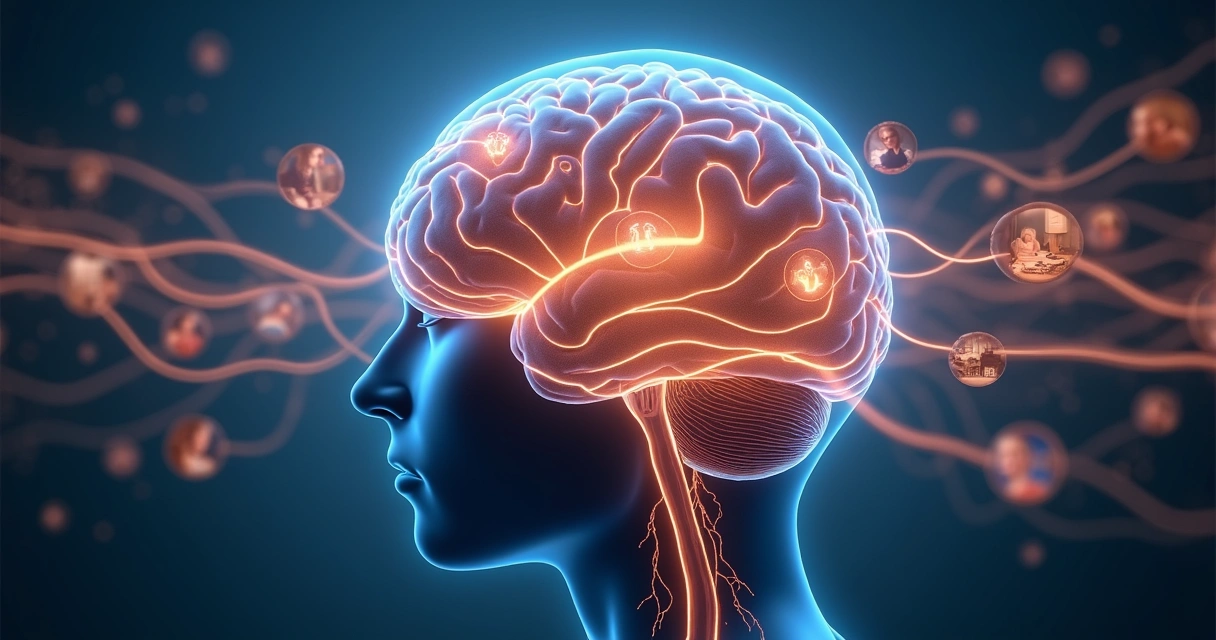
Emotional memory is the ongoing record of our lived feelings, stored alongside more factual memories in our minds. It’s not just the list of events we remember, but the tone, the emotions, and the physical sensations that came with them. Emotional memory acts like an unseen script, quietly shaping how we feel in new situations that appear similar to old ones.
We tend to overlook its influence. We know why we fear touching a hot stove after being burned as children because the link is obvious. But when we react to a raised voice, a pattern of being ignored, or even a certain look, the memory is rarely conscious.
Somewhere inside, our emotional history echoes back with its lessons or warnings.
Emotions from the past whisper inside the present.
What we find, through experience, is that these whispers play a big part in guiding our reactions today even if we are not aware.
How emotional memories are formed
Each time we go through something stirring, whether joyful or painful, our brains log not just the details but the mood. Emotional memories link experiences with emotions, giving context to the facts we remember. For example:
- The feeling of warmth and safety from a parent’s hug mixes with memories of childhood bedtime stories.
- The tightness in your chest from an embarrassing mishap in school might blend with the facts: faces, words, and the sound of laughter.
- Moments of fear when being alone as a child may linger and color adult experiences of solitude.
Our emotional memories use the same pathways that help us remember anything else, but they tie in chemicals and signals like a signature unique to each event. Over time, these signatures form networks, what we call emotional patterns, helping us anticipate pleasure or pain.
The role of emotional memory in present reactions
When we face something new, our minds quickly scan for similar past experiences. If an event reminds the brain of an old emotional pattern, the emotional memory tied to that pattern can be triggered without us realizing.
Emotional memory brings feelings into present situations, even if the logic doesn’t match the current facts.
- A colleague’s criticism may touch the emotional memory of childhood rejection, making a simple comment feel like a deep wound.
- The scent of a specific food could send us into nostalgia or discomfort, depending on what feelings are tied to that memory.
- A partner’s silence may activate anxieties learned from previous experiences of abandonment or being misunderstood.
The mind does this with speed. Often, we notice the reaction first, a racing heart, an impulse to withdraw, a surge of anger, and only realize the cause with reflection.

Why emotional memory can trick us
Our brains are built for safety and connection. If we have felt hurt, shamed, or afraid in the past, emotional memory may convince us to react in the present as if those wounds are about to happen again. This protective impulse tries to guard us, but the cost is that we sometimes overreact or misinterpret what is happening now.
We often mistake old emotions for current facts, responding not to what is, but to what once was.
This is especially strong when situations echo unresolved feelings or traumas. The emotion reappears in full strength, as if transported through time, sometimes making us wonder why we can’t "just get over it."
When emotional memory helps (and when it holds us back)
Not all emotional memories are negative. The warmth, pride, and affection tied to happy moments help us feel confident and open. These memories make it easier to trust, laugh, and try new things. On the positive side, they set the stage for resilience and optimism.
Other times, difficult or painful memories might overprotect us. They warn us of real danger, but they can also close us off, making us react defensively even when it’s safe to be vulnerable.
- Emotional memory prepares us to avoid harm, repeating patterns that once prevented pain.
- It also limits us by flooding new experiences with the emotion of our oldest wounds.
- The result: we sometimes act on feelings that make little sense in the moment, because our minds are echoing the past.
What triggers emotional memory now?
Almost anything with emotional meaning, a sound, a face, a phrase, or a setting, can activate emotional memory. These triggers are not logical; a casual observer may not even see them as significant. The process is personal and often outside of awareness.
These are some common triggers:
- Recurring relationship dynamics that mimic old family patterns
- Work environments that echo early experiences of authority or rejection
- Social situations involving acceptance, status, or belonging
- Even music, weather, or certain times of day
In our experience, it is the emotional fingerprint of the situation, not the specific content, that determines what memories might surface and shape how we act.
How conscious awareness transforms emotional memory
Emotional memory shapes us most when we are not aware of its influence. But pausing to notice, really notice, our emotional shifts can change everything.
Conscious awareness makes space for choice.
When we sense a sudden reaction, asking ourselves gentle questions is the starting point:
- Is this feeling familiar?
- What does this remind me of?
- Is my reaction in proportion to what just happened?
- Can I separate this moment from the old emotion?
When we bring our automatic reactions into awareness, we gain the freedom to respond differently, and more fully, in the present.
Over time, building this kind of self-awareness can help us slowly reshape the power of emotional memory, letting it serve as a teacher, not just a warning system.
Conclusion
In our view, emotional memory is a powerful but often hidden force shaping the way we see, feel, and react to our world. By becoming aware of these undercurrents, we can begin to separate the truth of the moment from the shadows of the past.
As we pay kinder attention to our experience, we open the way to more choice, more connection, and a life lived with greater clarity and presence.
Frequently asked questions
What is emotional memory?
Emotional memory refers to the way our feelings about past experiences are stored and recalled, alongside factual or narrative memories. It is what allows a particular situation, sound, or person to bring back not just what happened, but also how it felt. Emotional memory plays a big role in how we react to present events that remind us of our earlier experiences.
How does emotional memory affect reactions?
Emotional memory can trigger feelings and behaviors that do not match the current situation, because they are driven by the echoes of similar past events. For example, an argument at work might bring up the same emotions as a childhood disagreement, even if the circumstances are different. This often happens automatically, before we have time to think about it.
Can emotional memory cause anxiety?
Yes, emotional memories can contribute to anxiety, especially when past worries or fears resurface in present situations. If a new experience reminds us of a time when we felt threatened, embarrassed, or alone, our bodies and minds may respond with anxiety even if there is no real danger now. Recognizing these patterns can help us manage our anxiety more effectively.
How to manage strong emotional memories?
Managing strong emotional memories starts with awareness, noticing when old feelings surface and gently exploring their source. Practicing self-kindness, talking to a trusted friend, or journaling can help. Sometimes, focusing on grounding techniques, like deep breathing or paying attention to the present moment, gives us space from overwhelming emotions. Over time, being aware softens the hold emotional memories have on our reactions.
Why do past emotions feel so real?
Past emotions feel vivid because emotional memory stores not just the facts, but the intensity, body sensations, and meaning attached to those experiences. When something in the present triggers these memories, our brain and body can 'relive' the old feeling as if it is happening again. This is a natural process, but with practice and awareness, we can learn to distinguish between the present and the past.