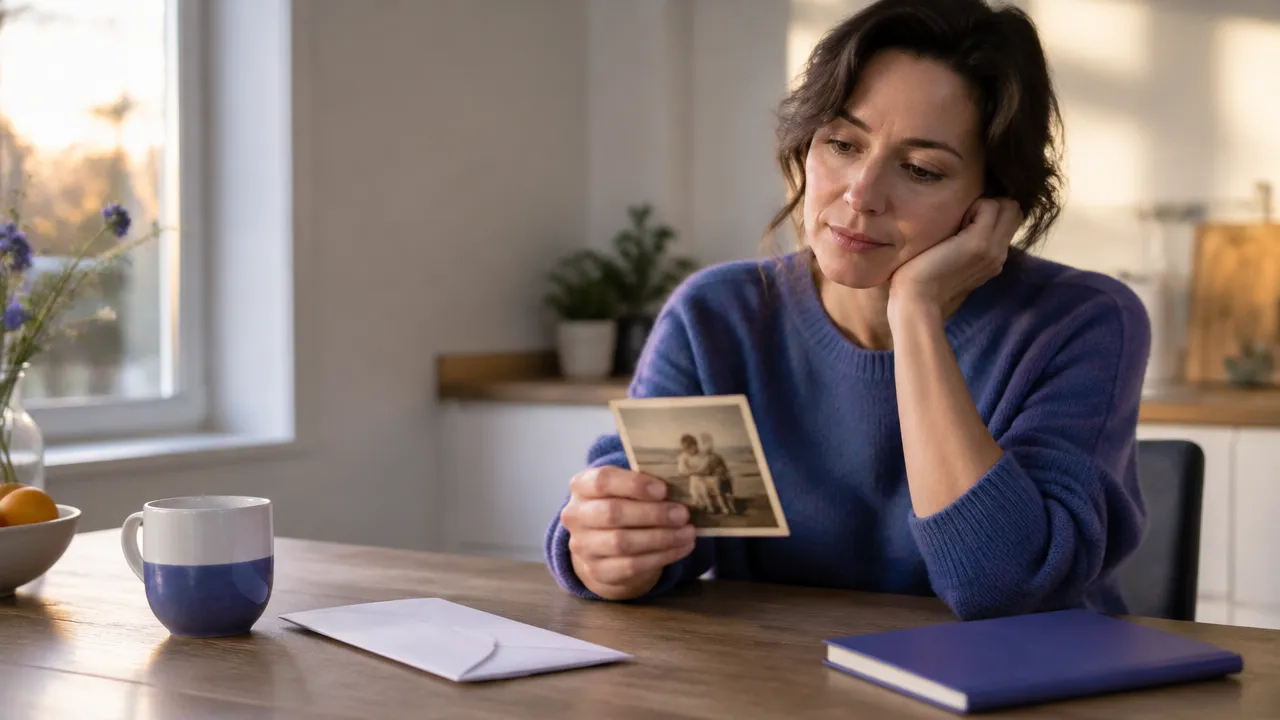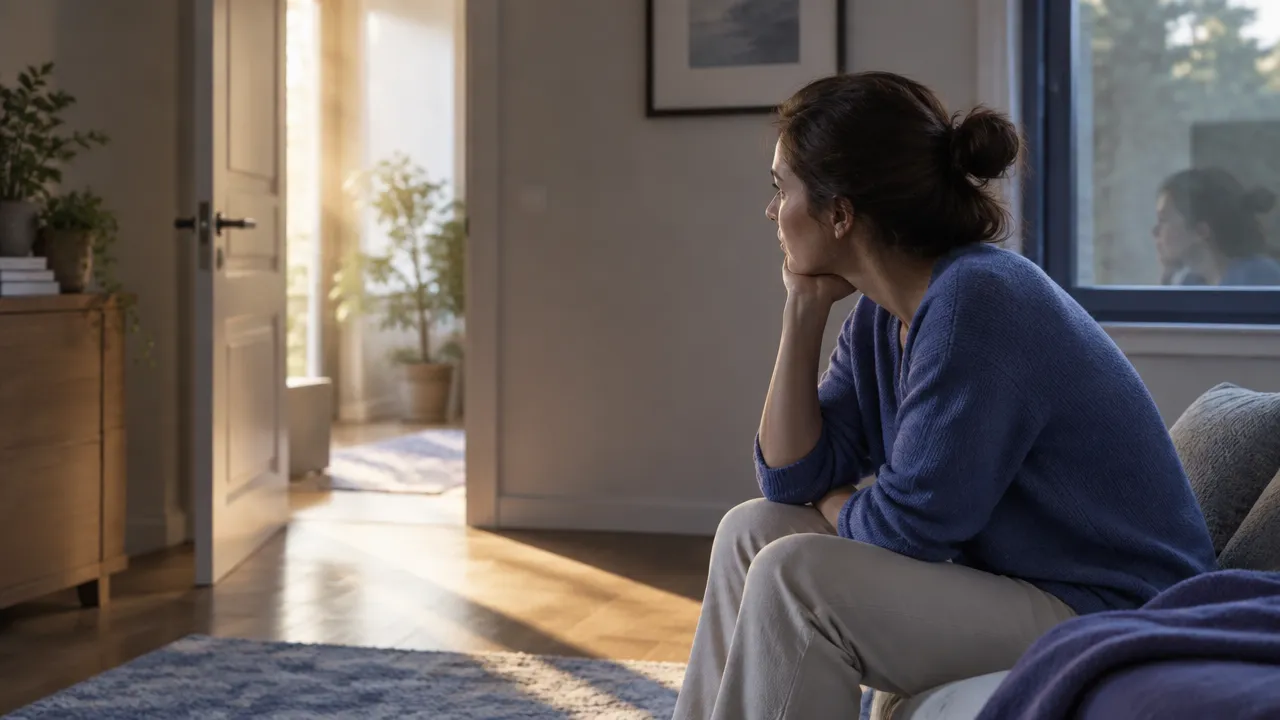
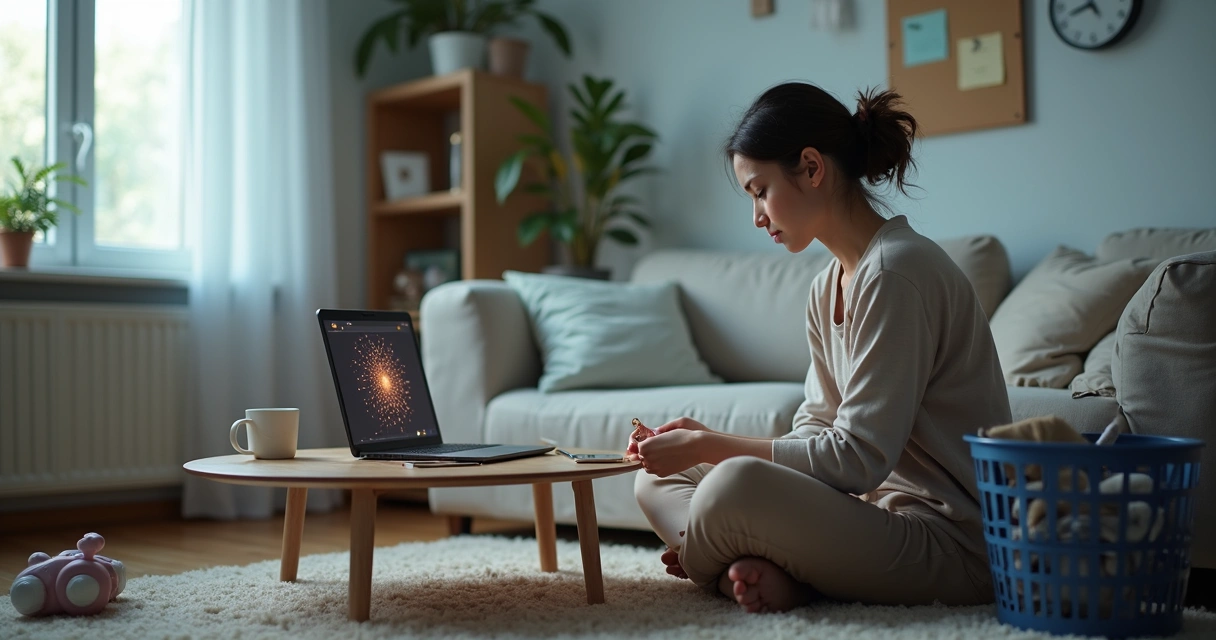
We often think that a hard day is caused by one big problem. In our experience, that is not always true. Many emotional shifts at home begin with tiny pressures that seem harmless on their own. A late message. A sink full of dishes. Noise in the next room. A forgotten task. None of these may look serious, yet together they can change our mood, tone, and choices.
Micro-stresses are small tensions that pile up and quietly shape how we feel, react, and relate at home.
They do not ask for attention in a dramatic way. They work in the background. That is why many of us reach the end of the day feeling irritated, tired, or distant without knowing exactly why. We may say, “Nothing happened,” when in fact many small things happened.
When we notice these subtle pressures, we begin to understand our emotional life with more honesty. Home is not only where we rest. It is also where our inner state becomes visible.
Why small pressures hit so hard
At home, we expect relief. We expect room to breathe. So when small tensions keep appearing, the contrast is strong. A person may wake up calm, then spend the morning stepping around clutter, answering minor requests, and adjusting to interruptions. By lunch, the nervous system is already less open and more defensive.
Small things add up.
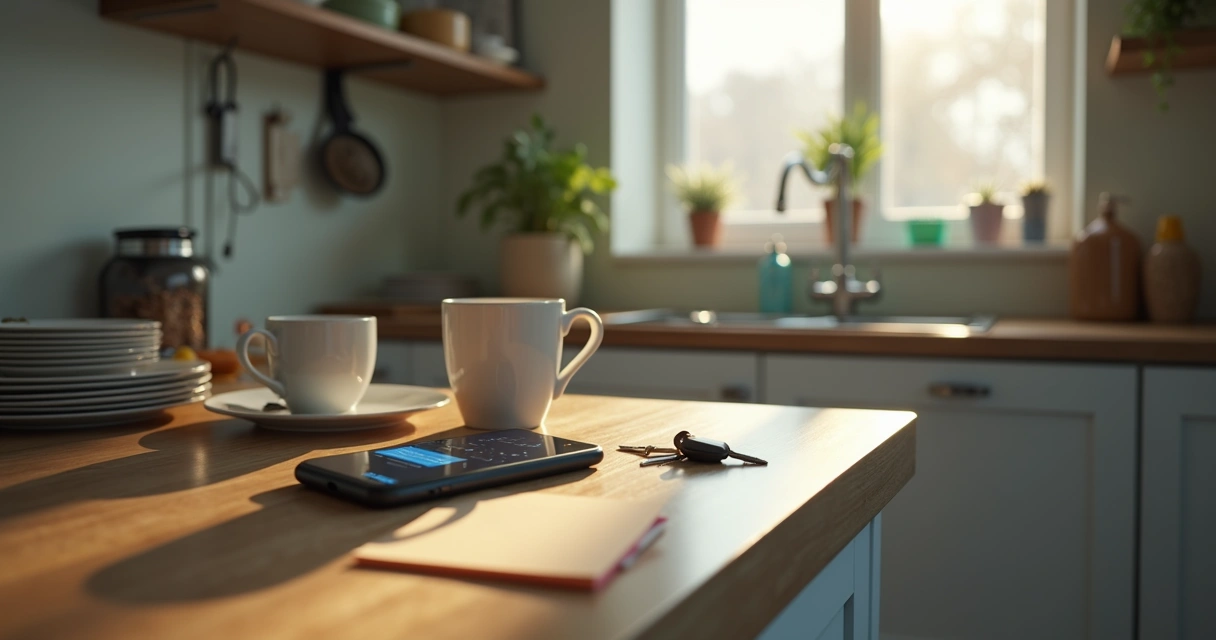
We have seen this in ordinary scenes. Someone cannot find their keys. Another person leaves a light on. A child asks the same question three times. A phone keeps buzzing on the counter. Nothing here is extreme. Still, the emotional effect is real.
- They drain attention bit by bit.
- They create a sense of unfinished business.
- They lower patience without warning.
- They make neutral events feel personal.
That is how a normal day can become heavy before any major issue appears.
Nine ways micro-stresses shape the day at home
These nine patterns are common, and many of us move through several of them in a single day.
1. They shorten our patience
One small irritation rarely breaks patience by itself. The problem is sequence. A person hears a loud appliance, sees an unfinished task, then gets interrupted while trying to focus. The tone changes. The face tightens. The next small request feels larger than it is.
Patience is often lost gradually, not suddenly.
2. They change the meaning of neutral moments
When we are already strained, simple events gain emotional weight. A short reply sounds cold. A closed door feels rejecting. A delay feels disrespectful. The facts may not change, but our inner state changes the meaning we give them.
This is one reason home misunderstandings grow so fast. We do not only react to what is happening. We react to the stress already living in us.
3. They keep the body on alert
Micro-stresses are not only mental. They can show up in the body first. We may clench the jaw, breathe more shallowly, or move faster without need. The house is quiet, but the body is acting as if it must prepare for the next demand.
We think this is one of the most ignored parts of emotional life at home. People often try to solve their mood with thought alone, while the body has been tense for hours.
4. They reduce emotional generosity
On a settled day, we can give more room to others. We listen better. We interpret with kindness. Under repeated low-grade stress, this generosity gets smaller. We become less available. We answer with less softness. We protect our space more quickly.
This does not mean we are bad or uncaring. It means our inner margin is narrow. And when the margin is narrow, relationship quality changes.
5. They create hidden resentment
Some home pressures repeat every day. The same objects out of place. The same chores left to one person. The same background noise. Because these issues seem too small to bring up, they often remain silent. Yet silence does not remove impact.
We have noticed that what stays unspoken often turns into resentment. Not loud resentment. Quiet resentment. The kind that appears as coldness, sarcasm, or emotional withdrawal.
6. They make rest feel incomplete
Being at home is not always the same as resting. A person may sit down, but mentally still scan the room for what is pending. Laundry. Bills. Messages. Food. Repairs. The body is on the couch, yet attention is scattered across many loose ends.
When small unfinished demands remain visible, rest can feel partial instead of real.
This is why some evenings feel strangely unsatisfying. There was free time, but not relief.
7. They push us into automatic behavior
Under repeated small stress, awareness shrinks. We stop choosing and start reacting. We snack without hunger. We scroll without interest. We answer sharply. We move through rooms without presence. Home becomes functional, but inwardly disconnected.
That disconnection matters. When we lose awareness of our state, we also lose the chance to correct course before the day hardens.
8. They spread from one person to another
Emotional tension moves through shared space. One person slams a drawer. Another responds with distance. A child senses sharpness in the room. No one names the real source, but the atmosphere changes. This is how micro-stresses stop being private and become relational.
We have all seen this happen. One rushed mood can shape the emotional climate of a whole home for hours.
9. They distort the story we tell about the day
After many small pressures, we may conclude that the whole day was bad, that the house is the problem, or that the people around us are the cause. Sometimes that story is too simple. The day may have been shaped by accumulation, not disaster.
That distinction helps. If we misread accumulation as catastrophe, we respond with excess. If we see the pattern clearly, we can respond with steadiness.
How to respond with more awareness
We do not need a perfect home to reduce micro-stresses. We need better noticing. A brief pause can reveal a lot. We can ask: What has been pulling at me since morning? What small thing has stayed active in my body? What repeated tension have I treated as normal?
Simple shifts can help:
- Name one small stress instead of carrying five unnamed ones.
- Clear one visual trigger from the room.
- Lower one source of noise.
- Finish one open task that keeps stealing attention.
- Speak one honest sentence before resentment builds.
These actions are modest. Still, they change the emotional field of the home. Awareness does not remove all friction, but it keeps small stress from ruling the day without being seen.
Conclusion
Micro-stresses matter because they shape our emotional day in quiet, repeated ways. They shorten patience, change perception, tighten the body, and affect how we relate to the people we live with. Once we see them clearly, we stop treating our mood as random.
We believe maturity at home begins with this kind of observation. Not dramatic. Not harsh. Just honest. When we notice the small pressures that keep acting on us, we gain more room to choose our tone, our pace, and our response.
Awareness restores choice.
Frequently asked questions
What is a micro-stress at home?
A micro-stress at home is a small, repeated source of tension that affects mood and attention. It can be clutter, noise, interruptions, unfinished chores, or minor conflicts. Each one may seem small, but together they can shape how we feel through the day.
How do micro-stresses affect emotions?
They affect emotions by slowly increasing irritation, mental fatigue, and emotional reactivity. A person may become less patient, more defensive, or more distant without seeing the full cause. Micro-stresses influence emotions through accumulation.
How can I reduce micro-stresses daily?
We can reduce them by noticing repeated triggers and making small corrections. Clearing one messy area, limiting background noise, finishing one pending task, and speaking early about daily friction can all help. The goal is not control of everything, but less hidden tension.
What are common sources of micro-stress?
Common sources include constant notifications, household clutter, unresolved chores, noise, time pressure, misplaced objects, poor sleep, and repeated small misunderstandings. These are ordinary issues, which is why they are easy to ignore even when they keep affecting us.
Are micro-stresses harmful to health?
Yes, they can be harmful when they become constant. Over time, they may increase muscle tension, poor sleep, irritability, and emotional exhaustion. They may not look severe at first, but repeated low-level stress can wear down both body and mind.