
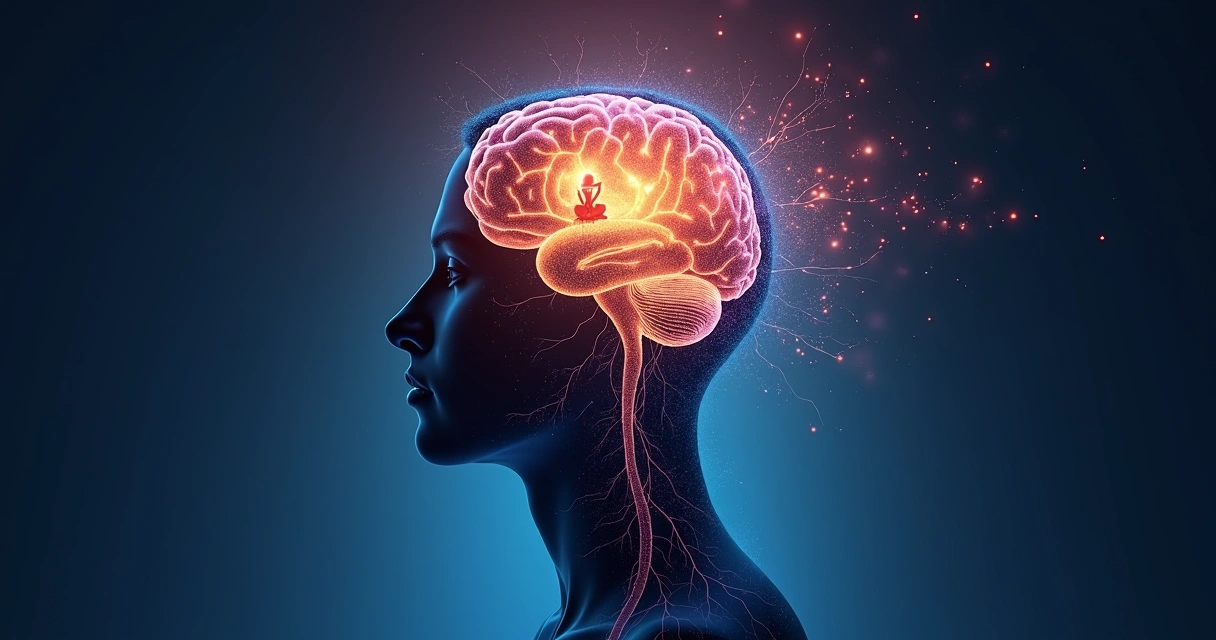
Conscious self-reflection and awareness give us the chance to pause, look inward, and understand how our thoughts, feelings, and experiences shape our lives. Most of us have, at some point, wondered, “How do we actually know ourselves?” Science now helps us answer that, connecting ancient wisdom to modern brain research.
What does neuroscience say about self-reflection?
Self-reflection and awareness are not just abstract concepts. They come from specific patterns of brain activity that let us observe, evaluate, and guide our thinking and behavior. Every day, from small choices to big life questions, these brain processes are at work.
We discover, through observation and repetition, that reflection does more than help us “think about thinking.” It shifts how we experience the world, take responsibility, and interact with others. This is not just a “soft skill.” The science makes it real.
The brain structures behind awareness
Self-awareness and reflection draw on several brain systems working together. When we think about ourselves, consider our feelings, or try to regulate behavior, certain areas “light up.” The main ones include:
- Prefrontal cortex (PFC): This area just behind our forehead is a hub for planning, decision-making, and self-control. The PFC is often called the brain’s executive center, helping us imagine future outcomes and reflect on our choices.
- Default mode network (DMN): This network connects several brain parts, especially active when our mind wanders or turns inward. It’s linked to daydreaming, remembering the past, and imagining the future—all central to self-reflection.
- Anterior cingulate cortex (ACC): The ACC helps us notice conflicts inside ourselves. It allows us to pause and ask, “Why did I react that way?” or “Is this the right thing to do?”
- Insula: This area connects body sensations to feelings. It’s what helps us notice a racing heart or a pit in our stomach when anxious—crucial signals for awareness.
The brain’s wiring makes self-reflection possible—but practice shapes its strength.
How brain connections create the “self”
When we reflect, we are not using just one part of the brain. Networks communicate so we can notice, compare, and weigh our experiences.
- A thought about an upsetting event activates the DMN, which brings up memories or future scenarios.
- The PFC steps in to judge these thoughts, asking ourselves, “Does this belief serve me?” or “Is there another way I could see this?”
- The ACC acts as a monitor, flagging moments when our actions or thoughts clash with our goals.
- The insula resonates with feelings, encouraging us to listen to inner signals.
Put simply, self-reflection is a cooperative activity involving several key brain areas working in harmony.
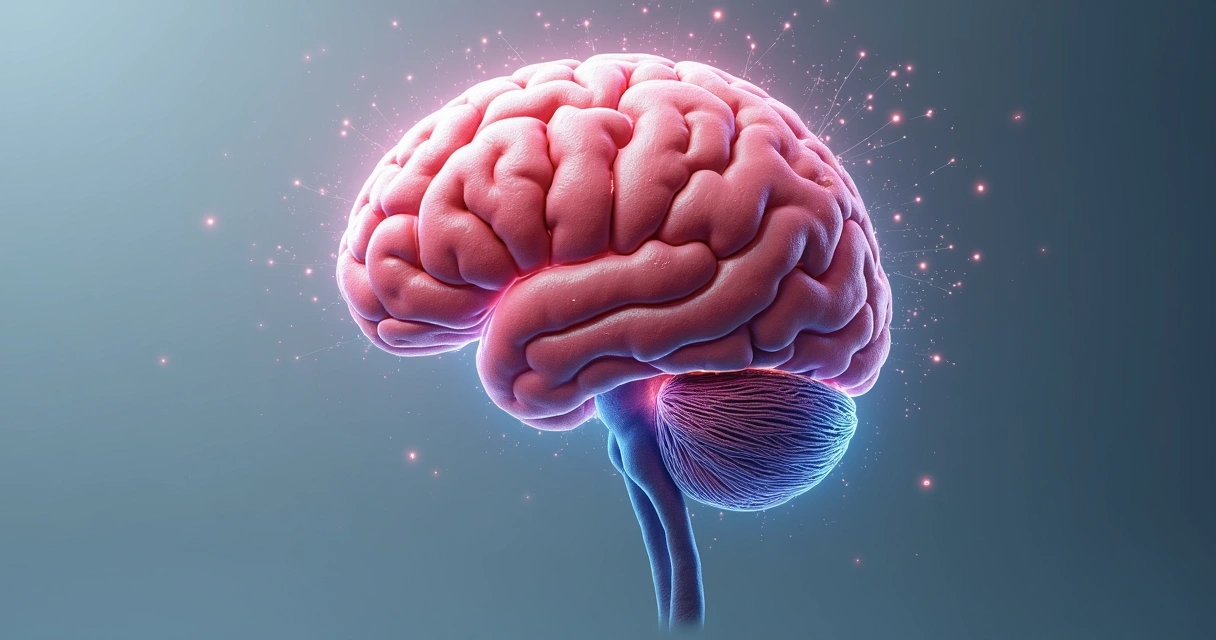
How do we become aware of our own mind?
We notice our thoughts, emotions, or actions when they stand out against what we expect or want. This noticing is called “meta-cognition”—thinking about thinking. Meta-cognition is a defining feature of self-awareness.
Studies show that as we gain practice in observing ourselves, the connections between these brain networks become more efficient. Children develop these abilities step by step, while adults can train them further, with real brain changes measured over time.
Why do emotions play a role?
Emotions and self-awareness are deeply linked. The insula and ACC work together, helping us recognize what we feel and why. If we can name an emotion, we are more likely to respond wisely, not simply react.
- Physical sensations (like a racing heart) alert us to emotions.
- Brain areas connect these sensations to an emotional “label” (“I’m anxious!”).
- Reflection then lets us decide what the feeling means and how to act.
Emotional awareness is a foundation for understanding patterns in our thoughts and actions.
Changing the wiring: Can we strengthen self-reflection?
Good news—research suggests we can. Practices that focus on attention, presence, and non-judgment, like journaling or mindfulness, create measurable brain changes over time. The PFC, DMN, and ACC show stronger connections and more balanced activity in people who regularly reflect on their experience.
Block repetitive and shallow mind-wandering; instead, bring curiosity to your thoughts. Over time:
- Attention becomes more flexible (the PFC trains itself),
- Self-blame and rumination reduce,
- Clarity about motivation and values grows,
- We notice patterns that would otherwise stay automatic.

The story of human maturity: Integration of mind and emotion
When we connect past events, present feelings, and future intentions, we build a sense of coherence, not fragmentation. As we see it, this is what leads to maturity—not the absence of pain or mess, but the ability to understand and respond with care.
The neuroscience points to this process as a “network phenomenon” rather than the work of a single brain region. This means our sense of self remains flexible, shaped by new experiences and new ways of observing ourselves.
Increased self-awareness grows from many moments of reflection, not one big leap.
Conclusion
Self-reflection and awareness are more than ideas. Through the lens of neuroscience, they are living processes involving connected brain networks that allow us to notice our thoughts, organize emotions, and make conscious choices. With intention and repeated practice, these brain systems strengthen, supporting growth, presence, and humane maturity.
Frequently Asked Questions
What is self-reflection in neuroscience?
In neuroscience, self-reflection refers to the brain’s ability to observe its own thoughts, feelings, and behaviors, and to consider them from a distance. This involves mental activities where we review, question, or reinterpret our own experiences, using several interconnected brain regions.
How does the brain enable self-awareness?
Self-awareness arises from networks in the brain that work together, especially the prefrontal cortex, default mode network, anterior cingulate cortex, and insula. These systems let us recognize ourselves as unique individuals, monitor our emotions and thoughts, and guide our actions with intention.
What brain areas are used for self-reflection?
Self-reflection draws on a group of brain regions: the prefrontal cortex is central for planning and decision-making, the default mode network supports thinking about oneself, the anterior cingulate cortex helps in noticing conflict, and the insula connects body signals to feelings. No single area acts alone—all must cooperate for effective self-reflection.
Can self-awareness be improved with practice?
Yes. Neuroscience studies show that regular practices focused on self-reflection can strengthen the brain connections that support self-awareness. Activities like journaling, mindful presence, or constructive questioning can lead to lasting changes in how we notice and organize our mental world.
Why is self-reflection important for mental health?
Self-reflection allows us to recognize unhealthy patterns, manage emotions, resolve inner conflicts, and make changes with awareness. It supports mental health by helping us respond to life with kindness, clarity, and a sense of responsibility, instead of acting on autopilot.