
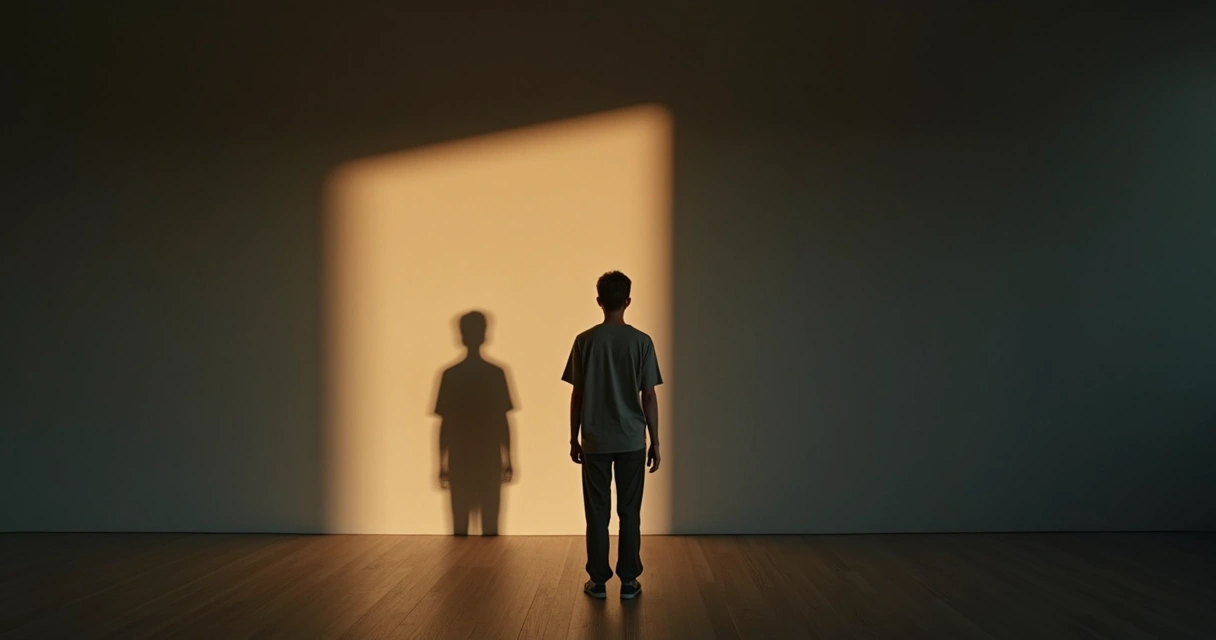
We all carry hidden parts of ourselves. Some we avoid because of discomfort, fear, or beliefs learned early in life. These parts do not vanish simply because we ignore them. Instead, they show up as shadow emotions— feelings that exist below the surface, outside our conscious approval, and often emerging in ways we do not expect.
What are shadow emotions?
Shadow emotions are feelings that we push away or deny because they conflict with how we wish to see ourselves or how we think others want us to be. They can range from anger, envy, and guilt, to sadness, insecurity, or resentment.
These emotions are not negative in themselves. In our view, they are part of the natural spectrum of being human. Yet, the problem arises when they become hidden, turned inward, or projected outward in unconscious ways. When we deny these parts, we run the risk of living less honestly and less fully.
Every feeling we avoid holds a truth about us.
How do shadow emotions form?
In our experience, shadow emotions originate in the early stages of life. As children, we learn which feelings are “acceptable” and which are frowned upon. Anger might be met with punishment, sadness ignored, or jealousy called wrong. To protect ourselves, we learn to suppress, hide, or mask these responses.
This pushes certain feelings into our personal “shadow.” Over time, we become practiced at ignoring or rationalizing these experiences instead of understanding them. Our outer self may look calm, controlled, or cheerful, while beneath the surface, another emotional life continues without recognition.
- Family rules and expectations tell us which feelings have a place.
- Cultural beliefs reinforce ideas of “good” and “bad” emotions.
- Personal experiences shape the rules we internalize about what is safe to express.

By adulthood, our shadow emotions are woven into our reactions, thoughts, and relationships.
Why do shadow emotions arise?
Even though we don’t want to feel certain things, pushing them away does not erase them. Instead, they appear in unexpected moments. In our opinion, this happens because feelings are not logical—they are signals, carrying messages from our history, unmet needs, or past wounds.
Shadow emotions rise when something in our current experience resembles a memory or belief from before. For example, a critical comment at work might spark an inner flood of shame not just because of the words themselves, but because they remind us of old moments when we felt not good enough.
Sometimes, these emotions rise up strongly:
- In conflicts, when we feel attacked or cornered.
- During stress, when our coping resources feel thin.
- In relationships, especially with partners or family.
- When we are striving for success or recognition.
What we deny will eventually demand our attention.
How do shadow emotions affect us?
When shadow emotions are not named or explored, they do not simply fade. In our experience, they tend to show themselves in less direct ways:
- Irritability or withdrawal without clear reason.
- Criticism of others for traits we secretly dislike in ourselves.
- Self-sabotage or avoidance of growth opportunities.
- Persistent anxiety, sadness, or emotional numbness.
Hidden feelings can strain relationships, lower self-confidence, and limit our sense of freedom.Often, we do not link external struggles to internal emotions we have tried to escape.
Naming what we feel, even briefly, is the first step toward reclaiming our wholeness. No feeling is too difficult to face when we bring it to the light and see it as part of our experience—not the whole story, but one chapter.

What can we learn from facing shadow emotions?
We see shadow emotions not as flaws, but as invitations. Each time we feel jealousy, anger, or shame, there is a reason. When we listen, we often find information about unmet needs, old pain, or parts of ourselves longing for care. Learning to understand these feelings, rather than suppress them, opens the path to greater self-awareness.
A few examples of what shadow emotions can teach us:
- Anger may point to violated boundaries or unmet needs.
- Envy can reveal our true desires or hidden values.
- Shame often points toward old fears of not belonging.
- Sadness may show us where we need to allow healing.
When we accept the presence of all our emotions, we become less controlled by them and more able to choose how we respond.
How to recognize and work with shadow emotions
Awareness is the key that unlocks these hidden parts. In our experience, it takes honesty, patience, and a willingness to notice patterns, especially in moments of strong reaction.
We have found it helpful to practice these steps:
- Pause and notice when an emotional reaction feels out of proportion to the situation.
- Name what you are feeling, even if it feels uncomfortable or unacceptable. Words give form to what was previously in shadow.
- Ask: “When was the first time I remember feeling this?”
- Reflect on whether this feeling is familiar from childhood, or if it repeats in your life.
- Offer yourself kindness. Shadow emotions exist for a reason—usually protection or adaptation from the past.
Courage grows when we listen to all parts of ourselves.
There is no quick fix. Yet, as we develop clear awareness, we can shift from acting on old habits to making conscious, responsible choices. With time, even our most challenging feelings become signposts rather than obstacles.
Conclusion
Shadow emotions are not faults to erase, but signals to understand. We all carry feelings that do not fit our image of how we “should” be, and these do not disappear by denial. By recognizing these emotions, we invite more authenticity and coherence into our lives.
Working with our shadow requires honesty, acceptance, and time. It calls us to nurture presence—not to eliminate “bad” feelings, but to learn from all of them. When we do this, we open the possibility of a more mature, whole, and meaningful life.
Frequently asked questions
What are shadow emotions?
Shadow emotions are the feelings we deny, suppress, or avoid because they conflict with our self-image or learned expectations. They are often unconscious and can include anger, jealousy, sadness, or shame—any emotion we learn is “unacceptable.”
Why do shadow emotions arise?
Shadow emotions arise when current experiences trigger memories or old beliefs about emotions we were taught to hide. They surface in moments of stress, conflict, or vulnerability, bringing up feelings we have not fully accepted or processed.
How to recognize shadow emotions?
We recognize shadow emotions when our reactions feel unusually strong or out of proportion, or when we judge others for traits we secretly dislike in ourselves. Tracing the feeling to its origin and giving it a name are ways to bring it into awareness.
Can shadow emotions be harmful?
If shadow emotions remain unacknowledged, they can indeed affect mental and relational health. They may lead to emotional outbursts, withdrawal, misunderstandings in relationships, or self-sabotaging behaviors. Recognizing and processing them allows us to respond in healthier ways instead of reacting unconsciously.
How to deal with shadow emotions?
We suggest practicing mindful awareness, naming the emotion, and reflecting on its roots in your history. Offering yourself compassion and seeking a broader understanding can transform shadow emotions from obstacles into valuable information. Support from trusted relationships or professionals can also help in this process.